
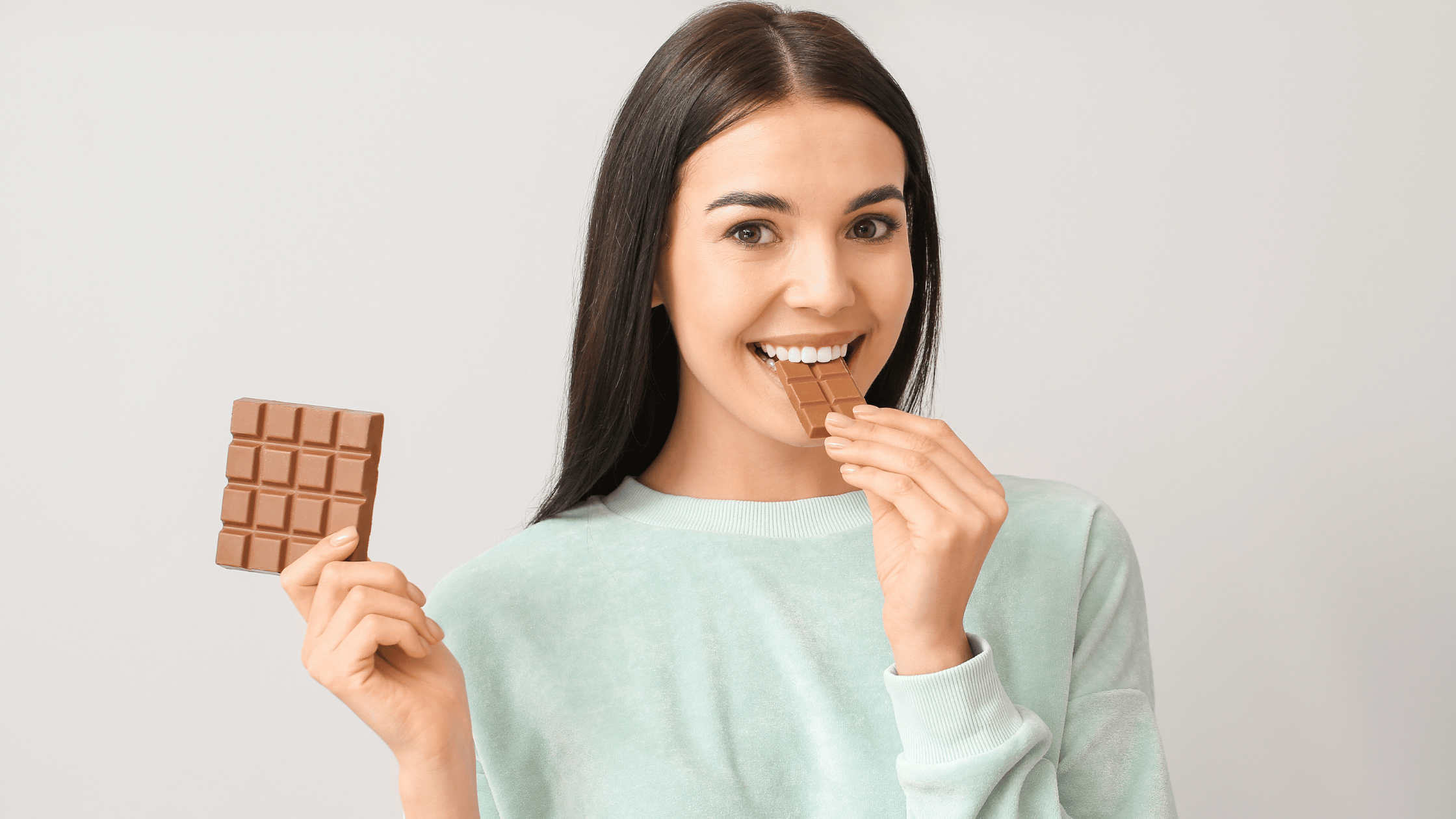
Introduction: The Guilty Pleasure We Need to Rethink
There’s something magical about chocolate. Whether it’s the silky melt of a truffle, the bittersweet snap of dark squares, or the comforting swirl of hot cocoa, chocolate isn’t just a food—it’s an emotion. Yet, for many, it comes with a side of guilt. We’ve been taught to fear fat, obsess over calories, and equate indulgence with failure. But what if we flipped the script?
“Eat Chocolate, Gain Fat, No Regrets” isn’t a declaration of giving up on health. It’s a call to reframe how we view food, body image, and pleasure. It’s about choosing self-love over shame, mindfulness over restriction, and joy over fear.
Let’s unwrap the truth about chocolate, fat, and why guilt has no place at the table.
The Demonization of Chocolate and Fat: A Cultural Construct
For decades, mainstream diet culture has villainized fat—both in food and on the body. Chocolate, being high in fat and sugar, has been lumped into the “bad food” category, especially for women. Magazines and fitness ads sell us the idea that a slim figure equals discipline and worthiness, while indulgence is framed as weakness.
But science and culture are changing. We now know that dietary fat isn’t the enemy—it plays vital roles in hormone production, brain function, and nutrient absorption. The same goes for pleasure in eating. Denying yourself things you love often leads to bingeing, shame cycles, and a toxic relationship with food.
Chocolate isn’t the villain. Guilt is.
Chocolate’s Real Nutritional Value
Let’s be clear—no one’s saying you should replace all your meals with chocolate bars. But it’s unfair to treat chocolate as pure junk food, especially high-quality varieties.
Dark Chocolate: A Powerhouse in Disguise
Dark chocolate (with 70% cacao or higher) contains:
- Antioxidants (like flavonoids): These protect your cells from oxidative damage.
- Iron, Magnesium, Zinc: Essential minerals that support energy and immune health.
- Theobromine: A gentle stimulant that can improve mood and focus.
A small square or two of dark chocolate can be both satisfying and nourishing—no guilt required.
Milk Chocolate: Comfort and Joy
While higher in sugar and fat, milk chocolate offers emotional satisfaction and nostalgia. And guess what? Emotional health matters. Comfort food is real, and denying yourself small pleasures can increase stress, which ironically contributes more to long-term weight gain and poor health than the chocolate ever could.
Body Acceptance and Food Freedom: What Really Matters
The “gain fat” part of the title is intentionally bold because let’s face it—weight gain is not a moral failure. Our bodies change. They store fat, lose fat, adapt, grow, age. That’s normal.
And if eating chocolate leads to some extra softness, but brings you joy, connection, and mental peace? That’s a worthy trade-off.
Embracing Imperfection
Perfection is a myth. Life is full of weddings, birthdays, holidays, and Tuesday nights when you just need chocolate. These moments are not slip-ups—they’re what make life rich.
Ditching the Guilt Cycle
Guilt doesn’t burn calories. What it does is drain your energy, lower your self-esteem, and create unhealthy eating patterns. The more you judge yourself for enjoying food, the more food becomes a battleground instead of a source of nourishment.
Practicing Food Neutrality
One slice of cake doesn’t make you “bad.” A green smoothie doesn’t make you “good.” Food is just food. Your worth is not measured by your ability to resist dessert.
Mindful Indulgence: You Can Love Chocolate and Yourself
There’s a big difference between mindless snacking and mindful indulgence. You don’t have to eat the whole box of chocolates in one sitting to prove you’re “free.” Instead, try enjoying each bite. Sit with it. Let it melt. Savour the texture and flavor. When you eat slowly and intentionally, you’re less likely to overdo it—not because of rules, but because of satisfaction.
Tips for Mindful Chocolate Enjoyment:
- Choose quality over quantity—opt for rich, small portions.
- Pair with fruit, nuts, or tea for added pleasure.
- Don’t multitask—no phones or TV. Just taste.
- Drop the internal commentary. No more “I shouldn’t…”
When pleasure is the point—not punishment—you’ll be surprised how much more control and peace you gain.
When Health Means More Than Numbers on a Scale
We’ve been taught that health is all about weight. But true health is holistic. It’s about:
- Mental well-being: Stress and shame take a bigger toll than dessert.
- Emotional satisfaction: Enjoying life, not just enduring it.
- Social connection: Saying yes to birthday cake, date-night desserts, and shared snacks.
Sometimes, saying “yes” to chocolate is a healthier act than saying “no” out of fear.
Conclusion: Permission to Enjoy
So yes, eat chocolate. You might gain a little fat. But with no regrets.
Because your body is not the enemy. Because you deserve joy on your tongue and peace in your mind. Because rejecting guilt doesn’t mean rejecting health—it means embracing it in full, delicious complexity.
Chocolate isn’t the problem. Shame is.
And today, we’re choosing to leave that behind—with a smile, a square of dark chocolate, and zero regrets.